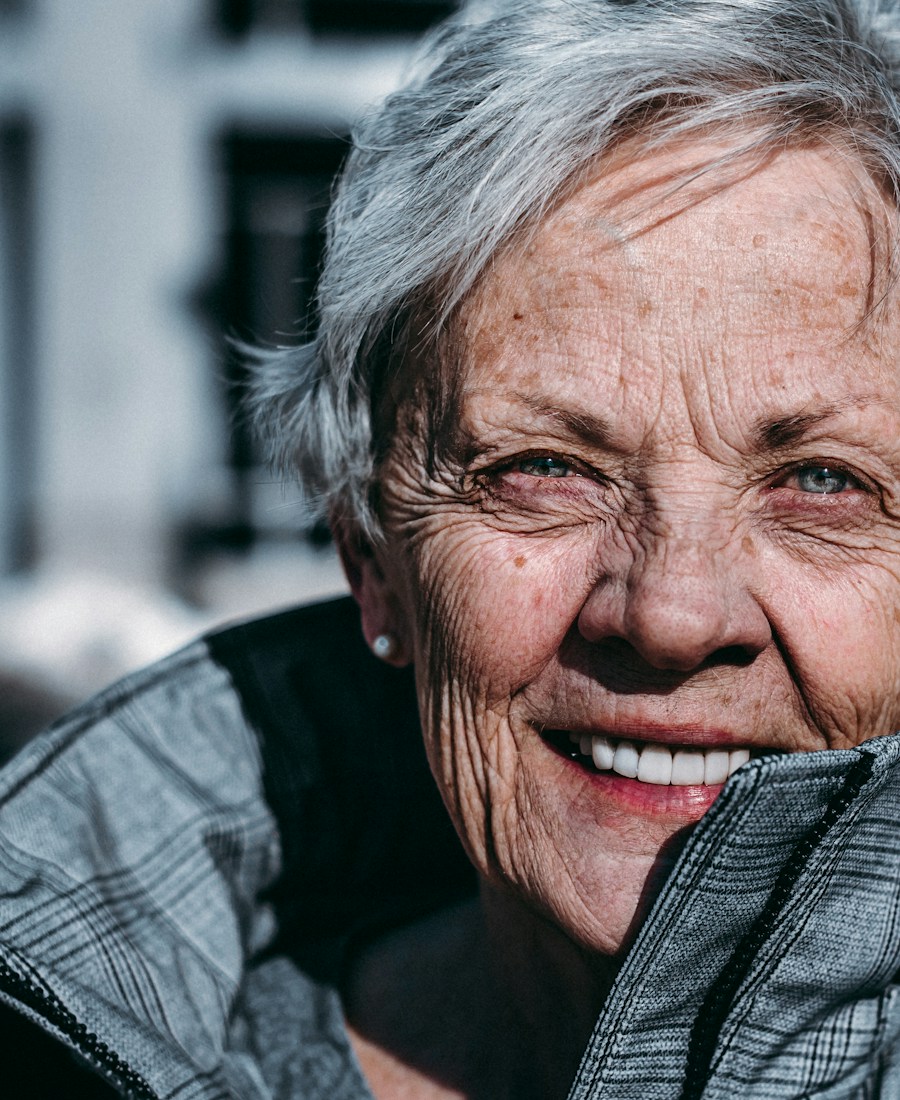
Menopause is a transition, not a verdict on your sexuality. Still, the gap between “what used to work” and “what feels good now” can feel lonely — especially when culture only shows youthful, effortless sex.
This article names common changes that affect intimacy so you can talk about them clearly with a partner or clinician. It is general education, not a diagnosis or treatment plan.
What actually changes for many women
1. Moisture and tissue comfort
Lower estrogen can mean less natural lubrication and thinner vaginal tissue. Friction that once felt exciting may feel scratchy or sore. This is common — and highly addressable with pacing, lubricant, and sometimes clinical options your doctor can discuss.
2. Arousal timing
Genital blood flow and nerve response may take longer. Rushing from “schedule slot” to penetration is a frequent source of disappointment. Longer warm-up, more non-genital touch, and less goal pressure often help more than trying harder.
3. Desire patterns
Spontaneous desire (“I suddenly want sex”) may show up less often. Responsive desire (“I become interested once closeness starts”) can still be healthy and satisfying. Many couples over 40 thrive when they stop waiting for a lightning bolt and start creating context.
4. Sleep, mood, and bandwidth
Night sweats, anxiety, and fatigue are intimacy thieves. A partner who only hears “not tonight” without context may personalize it. Naming the bandwidth issue — “I want closeness, my body is fried” — protects the relationship.
5. Body image and identity
Weight redistribution, skin changes, and cultural invisibility can dim confidence. Intimacy improves when shame is spoken aloud and contradicted with evidence: you are allowed to want pleasure in the body you have today.
What often stays available
- Affection, humor, and erotic curiosity
- Orgasm potential (sometimes different pathways than before)
- Partnered creativity: external focus, toys as tools, slower positions
- Solo exploration without performance pressure
Self-check: map your current season
- I can describe one physical change without apologizing for it.
- I know whether desire feels spontaneous, responsive, or both.
- I have a comfort plan (lube, pacing, stop word) before trying old routines.
- I know which issues are DIY-friendly and which need a clinician.
How partners can help without “fixing” you
- Ask: “What kind of touch feels kind tonight?” instead of “Are we having sex?”
- Treat lubricant as normal equipment, not a failure signal.
- Separate cuddling from intercourse so affection doesn’t always feel like a negotiation.
- Celebrate green lights; never argue someone through a yellow or red.
Sexual wellness over 40 is plural
Some women feel freer after periods end. Some need years to reassemble desire. Some want more sex; some want deeper non-sexual intimacy. All of those stories can be true. mature.ai exists to make the middle path — curious, practical, low-shame — easier to find.
Questions about your new map?
Write us. We’ll help you sort education from noise — privately.
18+ educational content. Does not diagnose or treat menopause or sexual dysfunction. No cure claims.